The Psychology of Graphic Design
 By JadeMediaPro
Graphic design is a method of visual communication that combines images, drawings, words, and information to reach an audience for a specific goal. Expertise in the psychology of graphic design is essential to shape the message so it captures both mind and heart.
Modern graphic design has grown well beyond logos. In UX design, designers must justify stylistic choices — fonts, colors, imagery, and layout — with a human-centered approach. UI design focuses on the precise interactions the user needs: toggles, dropdowns, notifications, breadcrumbs, and more.
Elements of Graphic Design
Line
The most basic element. A line connects two or more points; it can be straight, bent, thick, thin, 2D or 3D.
Shape
A shape is a defined two-dimensional area bordered by lines. Geometric, organic, and abstract shapes each play a role in composition.
Color
Color captures attention and drives emotion. Understanding color psychology is core to design.
Typography
Typography is the art of arranging type. Font choice, size, spacing, and weight can dramatically add to or subtract from the intended message.
Texture
Texture is how a design would feel if you touched it — smooth, rough, glossy. It can be layered with color and shape to build interest.
Size
The scale of elements draws attention and communicates hierarchy.
Space
Empty space — around, above, below, and between elements — helps prioritize what matters and gives the design room to breathe.
Principles of Graphic Design
Balance
Distributing visual weight so the design feels stable, whether through symmetry or asymmetry.
Alignment
Aligning elements creates a visual connection between them.
Repetition
Repeating patterns ties elements together and creates a sense of motion.
Proximity
Grouping related elements reduces clutter and gives viewers a clear focal point.
Contrast
Contrast draws attention to important areas and highlights differences between elements.
Types of Graphic Design
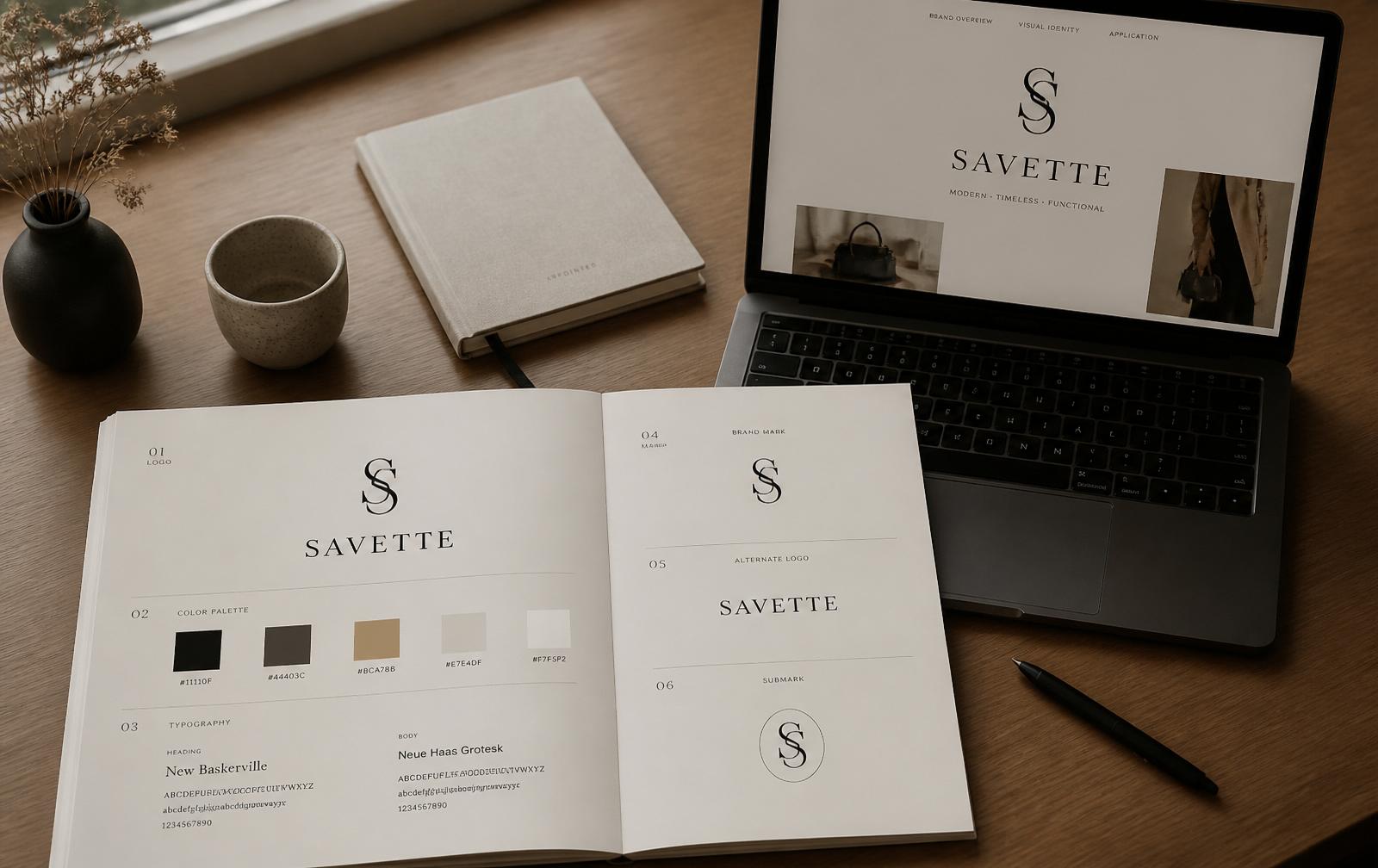
- Corporate design: Logos, image libraries, typography, color palettes, and style guides.
- Marketing and advertising design: Social media graphics, magazine ads, billboards, brochures, email templates.
- Digital art and illustration: Editorial art, T-shirt graphics, book covers, album art, infographics.
- Publication design: Books, newspapers, newsletters, magazines, and eBooks.
- Packaging design: Labels, stickers, and wrapping.
- Motion design: Animation, video games, apps, GIFs, and website features.
- UI design: Menus, buttons, and layouts for apps, games, and websites.
- NFT design: Digital collectibles and blockchain-native assets.
Conclusion
To produce visually pleasing work, designers must understand the psychology behind design. Applying the elements and principles well leads to media that carries a captivating message across every form and format.
Frequently Asked Questions
Why does color choice matter so much in design?
Color drives attention, emotion and brand recognition. The right palette can shift how a product or brand feels before a single word is read.
What makes a design 'feel professional'?
Consistent alignment, restrained typography, deliberate spacing and clear hierarchy — not decorative flourishes.
Ready to take the next step?
Our team is ready to help you put these ideas to work.
Design Something Memorable With Us