Digital Marketing in Montréal: A Practical Guide for Small Businesses
 By JadeMediaPro
Montréal is not a generic North American market, and marketing to it with a generic playbook is why so many small businesses here plateau. Two working languages, dense walkable neighbourhoods, strong seasonal swings and a distinct regulatory environment all change what actually works.
This guide is the practical version of what we run with local clients: what to fix first, what to budget, and how to tell whether it is working.
Why Montréal is its own marketing market
Two languages, one audience
Most Montréal businesses serve francophone and anglophone customers at the same time — often in the same week, sometimes in the same conversation. Search behaviour splits accordingly: someone looking for a plumber may type plombier Rosemont or plumber near me, and those two searches can surface completely different results.
Publishing English-only content quietly removes you from a large share of local demand. Machine-translating it removes you from credibility instead.
Neighbourhood-level search intent
Montréal customers rarely search "Montréal" — they search Plateau, Verdun, Griffintown, Rosemont, NDG, Laval, Longueuil. Local intent here is hyper-granular, which is good news for small businesses: neighbourhood terms are far easier to rank for than city-wide ones.
Seasonality is real
Terrasse season, construction detours, the winter slowdown, festival traffic in July — Montréal demand curves are sharper than the national average. Campaigns planned on an annual flat budget waste money in the slow months and run out in the busy ones.
Language compliance is part of the plan
Québec's Charter of the French Language (updated by Law 96) sets requirements for commercial communications and public signage, including how trademarks and business names appear. Treat French as a first-class version of your marketing, not a translated afterthought — and confirm your specific obligations with a Québec-qualified advisor before a rebrand or new signage.
Step 1: Fix the foundations before spending on ads
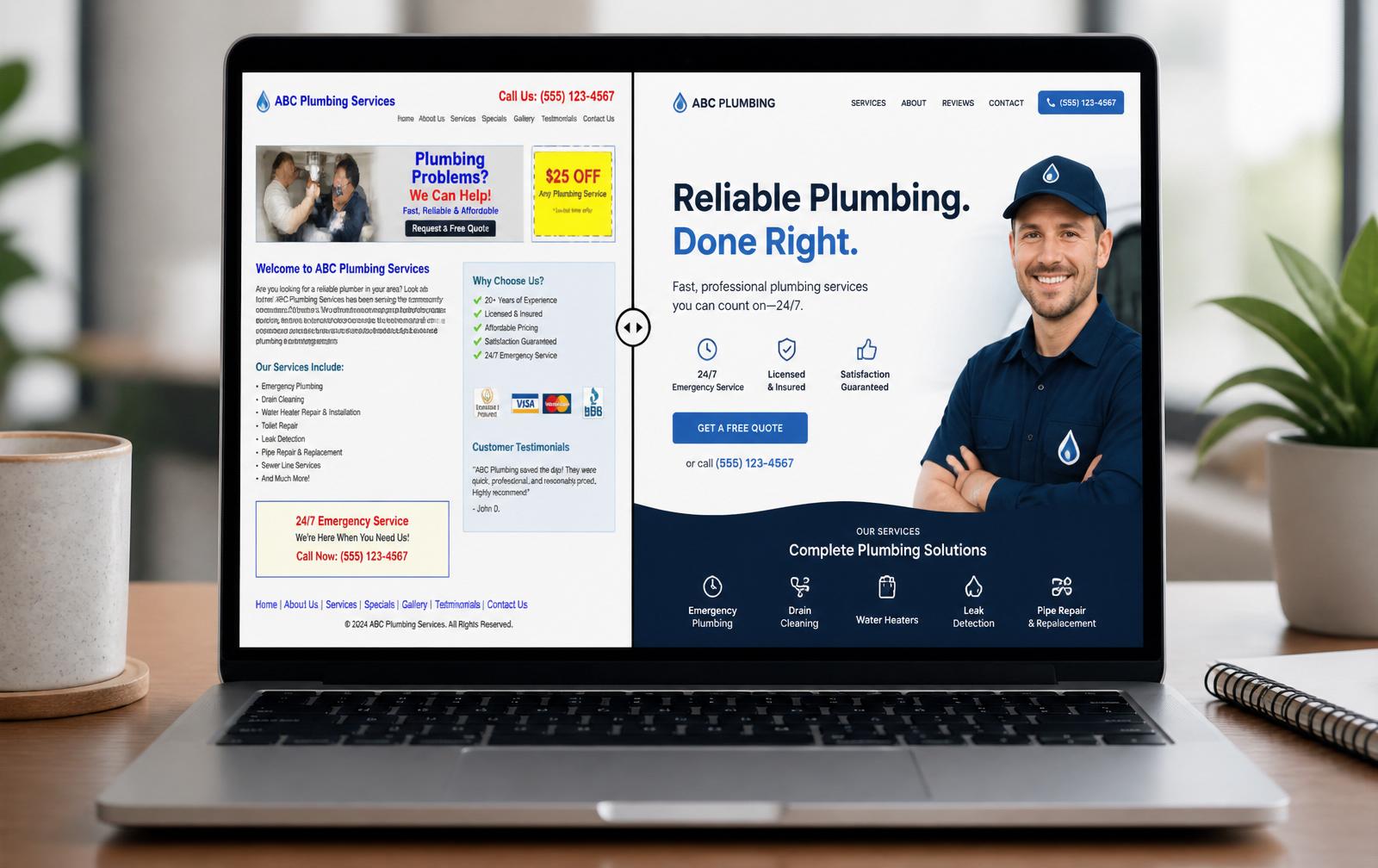
Paid traffic multiplies whatever your site already does. If the site converts poorly, ads multiply the loss.
- A site that loads fast on mobile data, not office Wi-Fi.
- A clear offer above the fold — what you do, who for, and the next step.
- One primary call to action per page, repeated rather than competing.
- Contact details, service area and hours that are impossible to miss.
- Real proof — photos of your team, your space, your work, and reviews from named local customers.
Step 2: Claim and work your Google Business Profile
For most Montréal small businesses, the Google Business Profile outperforms the website as a first point of contact.
- Verify the listing and lock down name, address, phone and hours (including holiday hours).
- Choose the most specific primary category available, not the broadest one.
- Add both French and English descriptions where the fields allow it.
- Upload real photos monthly — interiors, staff, finished work.
- Ask for reviews consistently, and answer every one in the language the reviewer used.
- Post updates for seasonal offers, closures and events.
Step 3: Build bilingual local SEO properly
Serve genuinely bilingual pages
Publish real French and English versions of your key pages rather than one mixed-language page. Have French copy written or reviewed by a native Québécois writer — Canadian French vocabulary and tone differ noticeably from European French, and customers hear the difference immediately.
Target neighbourhoods, not just the city
Create service pages that name the areas you actually serve. A single "Services" page competing for marketing Montréal will usually lose to five focused pages targeting the boroughs where your customers live.
Get listed where locals look
Beyond Google: Bing Places, Apple Business Connect, Yelp, Pages Jaunes, your BIA or borough business directory, and neighbourhood Facebook groups. Keep name, address and phone identical everywhere.
Write content that answers local questions
"How much does X cost in Montréal?", "Do I need a permit in my borough?", "What are your winter hours?" — this is the content that earns both search visibility and citations in AI answers.
Step 4: Choose the right paid channels
- Google Search ads capture existing demand. Run separate French and English ad groups with matching landing pages; costs per click in the local market are typically moderate, and low competition on French terms is often an advantage.
- Meta ads (Facebook/Instagram) are strong for radius targeting around a storefront and for seasonal promotions.
- Retargeting is usually the cheapest converting spend a small business runs.
- Local sponsorships — a neighbourhood association, a school team, a festival stand — still convert well in Montréal and produce content you can reuse.
Start with one channel, prove it, then add the next. Give every campaign at least 60 to 90 days before judging it.
Step 5: Content and social that fit your capacity
Consistency beats volume. A realistic Montréal small-business rhythm looks like:
- One useful blog article or landing page per month, published in both languages.
- Two to four short vertical videos per month — behind the scenes, a how-to, a customer story.
- A monthly email to your list with something genuinely useful, not just a promotion.
- Seasonal pushes aligned to your real demand curve, planned a quarter ahead.
Step 6: Measure what actually matters
Track outcomes, not vanity metrics:
- Calls, form submissions, bookings and direction requests — not impressions.
- Conversion rate by language, so you can see if one audience is being underserved.
- Cost per qualified lead by channel.
- Google Business Profile actions month over month.
- Which neighbourhood pages bring in traffic that converts.
Set up conversion tracking before you launch anything paid. Without it you are buying traffic blind.
A realistic 90-day plan
- Weeks 1–2: Audit the site, fix speed and mobile issues, install analytics and conversion tracking.
- Weeks 3–4: Complete the Google Business Profile, correct directory listings, launch a review request routine.
- Weeks 5–8: Publish bilingual versions of your top three service pages plus two neighbourhood pages.
- Weeks 9–12: Launch one paid channel with separate French and English campaigns, then optimise weekly against cost per qualified lead.
Common mistakes we see
- English-first sites with a token French page.
- Machine-translated French that reads as European rather than Québécois.
- Ad budgets running before conversion tracking exists.
- Ignoring reviews, or answering them in the wrong language.
- Targeting "Montréal" broadly instead of the boroughs that actually convert.
- Stopping campaigns after 30 days, before local search results have moved.
How JadeMediaPro works with Montréal businesses
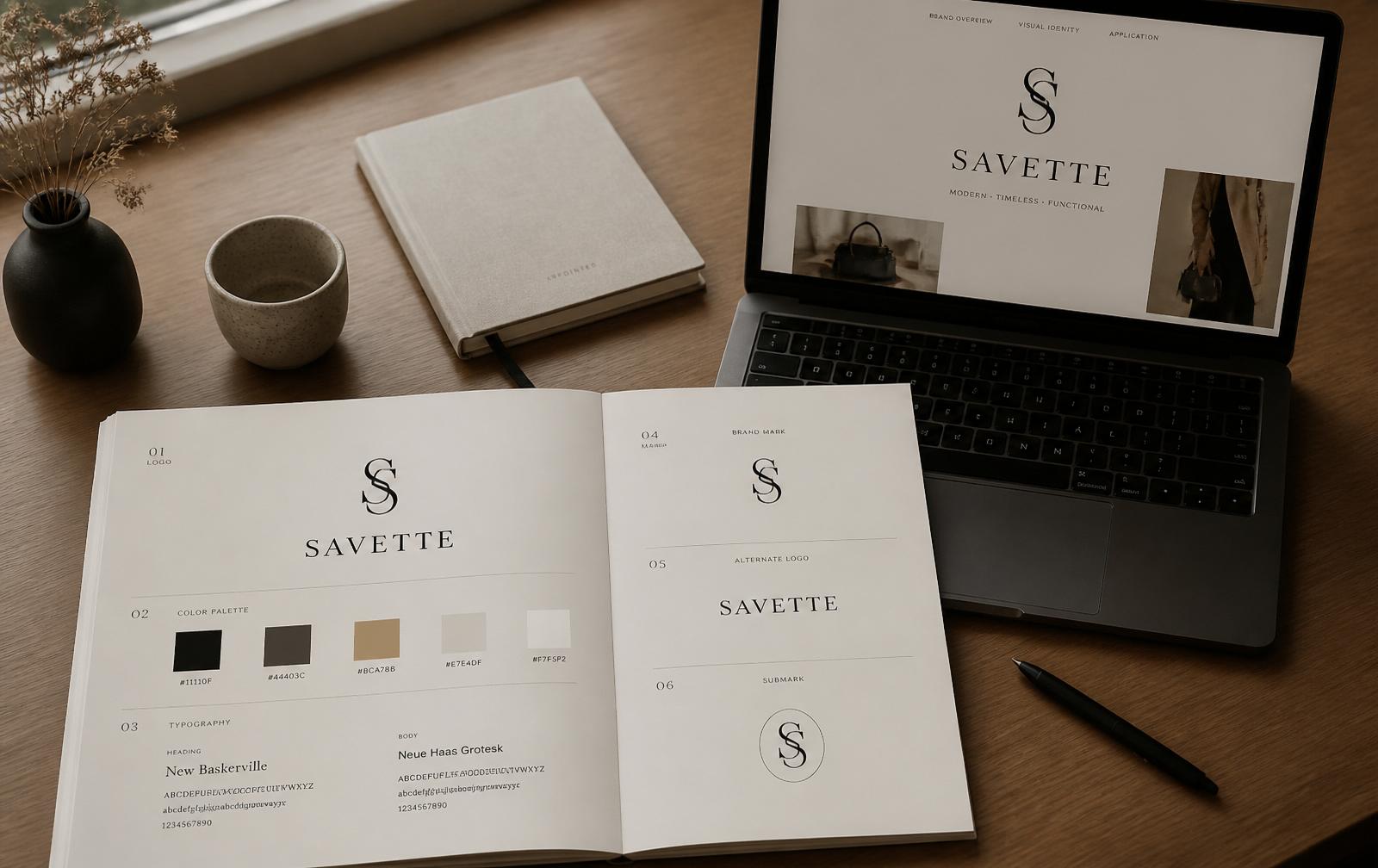
We build strategy, brand, website and campaigns as one system, in both official languages, from our base in Montréal — with teams in Ottawa and Lagos when a project needs more range. That means the French version of your site is written, not translated, and the ads point at pages built to convert.
Frequently Asked Questions
How much should a Montréal small business spend on digital marketing?
Most small businesses here start in the range of a few hundred to a few thousand dollars per month across website, content and ads, scaled to the value of one new customer. The useful benchmark is cost per qualified lead, not total spend.
Do I legally need a French version of my website in Québec?
Québec's Charter of the French Language, as amended by Law 96, sets requirements for commercial communications, and French is in practice essential for reaching the local market. Confirm your specific obligations with a Québec-qualified legal advisor.
Is it enough to translate my English site into French?
Machine translation is usually obvious to Québécois readers and undermines trust. Have French copy written or reviewed by a native Canadian French writer so tone and vocabulary land correctly.
How long does local SEO take to work in Montréal?
Google Business Profile improvements can show up within weeks, while ranking gains on competitive service terms usually take three to six months of consistent publishing and review activity.
Should I target 'Montréal' or specific neighbourhoods?
Both, but neighbourhoods first. Borough-level pages face far less competition and attract searchers who are closer to booking.
Which channel should a small business start with?
Fix the website and Google Business Profile first, then start with the single channel closest to existing demand — usually Google Search ads for service businesses and Meta ads for storefronts.
Ready to take the next step?
Our team is ready to help you put these ideas to work.
Book a Montréal Marketing Consultation