The Complete Guide to Branding: How Great Brands Win Customers
 By JadeMediaPro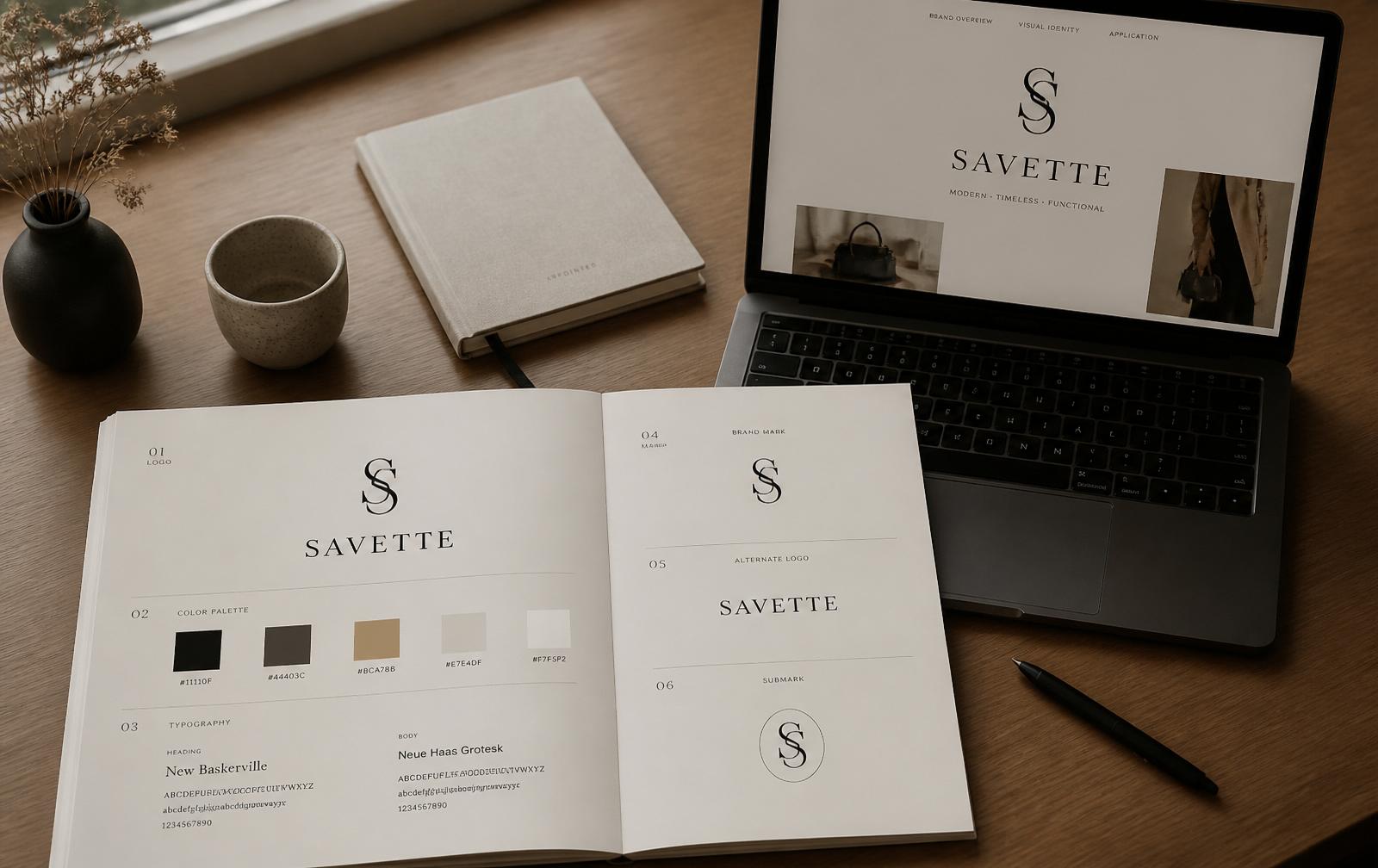
Ask ten business owners what "branding" means and you'll likely get ten different answers — a logo, a color scheme, a tagline, a vibe. All of those things are part of it. None of them is the whole picture. Branding is the sum total of how your business makes people feel, and more importantly, whether that feeling is consistent enough to build trust over time.
That distinction has real financial weight. Businesses with strong, consistently applied brand identities report revenue increases in the range of 10% to 33% compared to businesses with inconsistent branding. Consistency isn't a design nicety — it's one of the most measurable growth levers available to any business, regardless of size.
What Branding Really Means
Branding is not a logo. A logo is one visual expression of a brand, but the brand itself is broader: it's your business's purpose, personality, promise, and the perception that forms in a customer's mind every time they interact with you.
Marketing is how you communicate that brand to the world. Branding defines who you are; marketing tells people about it. You can't market effectively without a clearly defined brand underneath it.
The three layers of a brand
- Strategic layer: Your purpose, positioning, values and target audience — the "why".
- Verbal layer: Your name, tagline, messaging and tone of voice — how you sound.
- Visual layer: Your logo, color palette, typography and imagery — how you look.
Most businesses jump straight to the visual layer because it's the most tangible. But without strategy first, even the most beautiful logo is decoration without direction.
Why Branding Matters More in 2026
Customers today have more choices and less patience than ever. With AI-generated content, marketplace saturation and endless scrolling feeds, differentiation through features alone gets copied in weeks. A genuinely distinct brand — one customers recognize, trust and prefer — is far harder to copy.
Consistent visual branding can increase brand recognition by as much as 80%. And recognition compounds into trust: research from ongoing Trust Barometer studies has repeatedly found that a large majority of consumers say brand trust is a genuine "buy or boycott" factor in their purchasing decisions.
For small businesses and nonprofits especially, strong branding functions as a trust shortcut. A polished, consistent brand signals stability and professionalism before a customer has any other evidence to go on.
Step 1: Define Your Brand Strategy
What is your brand's purpose?
Why does your business exist beyond generating revenue? What problem are you solving, and why do you care about solving it?
What is your brand's positioning?
Positioning defines where you sit relative to competitors. Are you the premium option, the accessible option, the specialist, the innovator? Trying to be all things to all people is the fastest way to end up memorable to no one.
What are your core values?
Values aren't a list on an "About Us" page nobody reads — they're the filter through which decisions get made, from how you price your services to how you handle a customer complaint.
Step 2: Know Your Ideal Customer
You cannot build a brand that resonates with "everyone."
Build a real customer profile
- What problem is your ideal customer actively trying to solve?
- What objections do they have before buying?
- Where do they research options — search, social, referrals?
- What language do they use to describe their problem?
Study — don't copy — your competitors
Look at how competitors are positioning themselves. This isn't about imitation; it's about finding the gap. Where are competitors underserving a segment, or communicating generically? That gap is often exactly where a strong brand identity can win.
Step 3: Build Your Visual Identity
Logo systems, not just a single logo
A functional brand needs more than one logo mark: a primary logo, a simplified icon or favicon, and often a horizontal and stacked variation for different placements.
Color palette
Two to three core colors plus two to three supporting neutrals. The specific meaning matters less than consistency: using the same palette everywhere is what builds recognition over time.
Typography
One primary typeface for headlines, one complementary typeface for body copy. Avoid using more than two font families across your brand.
Practical visual identity checklist
- Primary and secondary logo files (vector formats: SVG, EPS)
- Defined color palette with hex, RGB, CMYK values
- Typography hierarchy (headline, subhead, body)
- Photography and illustration style guidelines
- Icon and graphic element library
Step 4: Develop Your Brand Voice
Define your tone attributes
Choose three to five adjectives that describe how your brand should sound — for example: professional, warm, direct, encouraging. Then define what each attribute does not mean to avoid ambiguity across a team.
Write a voice guide, not just a list of adjectives
A useful voice guide includes example phrases showing your brand's voice in action across different contexts: a customer service response, a social caption, an error message.
Step 5: Apply Your Brand Consistently
This is the step most businesses underinvest in — and it's the one with the clearest link to revenue. Despite the vast majority of companies having brand guidelines, only a minority actually use them regularly.
Where consistency breaks down
- Social posts made quickly without checking brand guidelines
- Sales team email signatures and outreach that don't match brand voice
- Printed materials or signage using outdated logo versions
- Website updates made without designer review
How to protect consistency at scale
- Maintain a centralized, accessible brand guide
- Create pre-approved templates for social posts, signatures, proposals
- Assign brand ownership to a specific person or team
- Revisit your brand guide annually
Common Branding Mistakes to Avoid
- Skipping strategy and jumping straight to a logo.
- Chasing trends instead of building longevity.
- Inconsistent application across channels.
- Copying a competitor's aesthetic.
- Treating rebranding as a one-time event.
How to Know When It's Time to Rebrand
- Your visual identity looks noticeably dated
- The business has evolved (new services, new audience, new positioning)
- You're inconsistently applying your brand because guidelines are incomplete
- Customer feedback suggests a perception gap
- A merger, acquisition or major pivot has changed what your business does
A full rebrand isn't always necessary — often a brand refresh can achieve the same trust-building result with less disruption.
How JadeMediaPro Approaches Branding
We start with business strategy work to define positioning and audience before a single design concept is created. From there, our design team builds full visual identity systems, and our writers develop voice guidelines that carry through to digital marketing, website copy and motion design.
The result is a brand that isn't just attractive, but functional: consistent enough to build recognition, flexible enough to grow with your business, and strategic enough to actually influence customer decisions.
Ready to Build a Brand People Remember?
A strong brand doesn't happen by accident, and it doesn't happen overnight — but it compounds in value every single time a customer recognizes, trusts and chooses you over a competitor.
Frequently Asked Questions
What's the difference between branding and marketing?
Branding defines who your business is. Marketing communicates that identity to attract and convert customers. Branding should generally be established before marketing campaigns launch.
How much does professional branding cost for a small business?
A complete brand identity project — strategy, logo system, palette, typography, brand guide — is typically a fixed-scope investment, distinguishing it from recurring marketing costs.
How long does a branding project usually take?
A comprehensive brand identity project typically takes four to eight weeks, depending on revision rounds and whether messaging is included.
Do small businesses really need professional branding, or can I DIY it?
DIY can work as a starting point, but inconsistent branding often costs more in lost trust and recognition than professional branding costs upfront.
How often should a business update its brand?
Most brands benefit from a review every few years and a refresh when the business, audience or market shifts meaningfully. Frequent, unplanned changes damage recognition.
Can branding really impact my bottom line?
Research consistently links strong, consistently applied branding to measurable revenue growth via increased trust, recognition and retention.
Ready to take the next step?
Our team is ready to help you put these ideas to work.
Start Your Brand Strategy Consultation