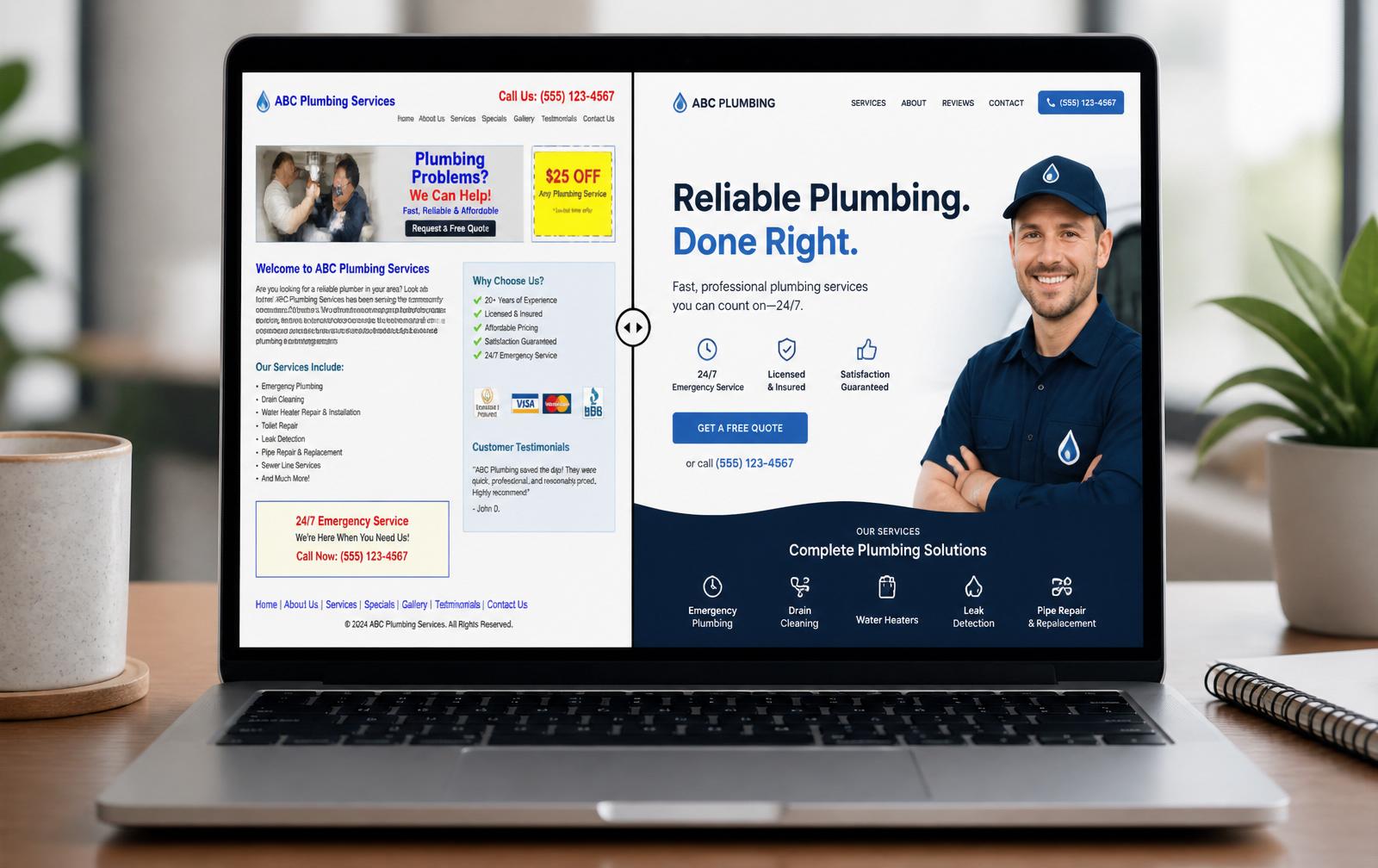
A Beginner’s Guide to Brand Identity for Small Businesses
 By JadeMediaPro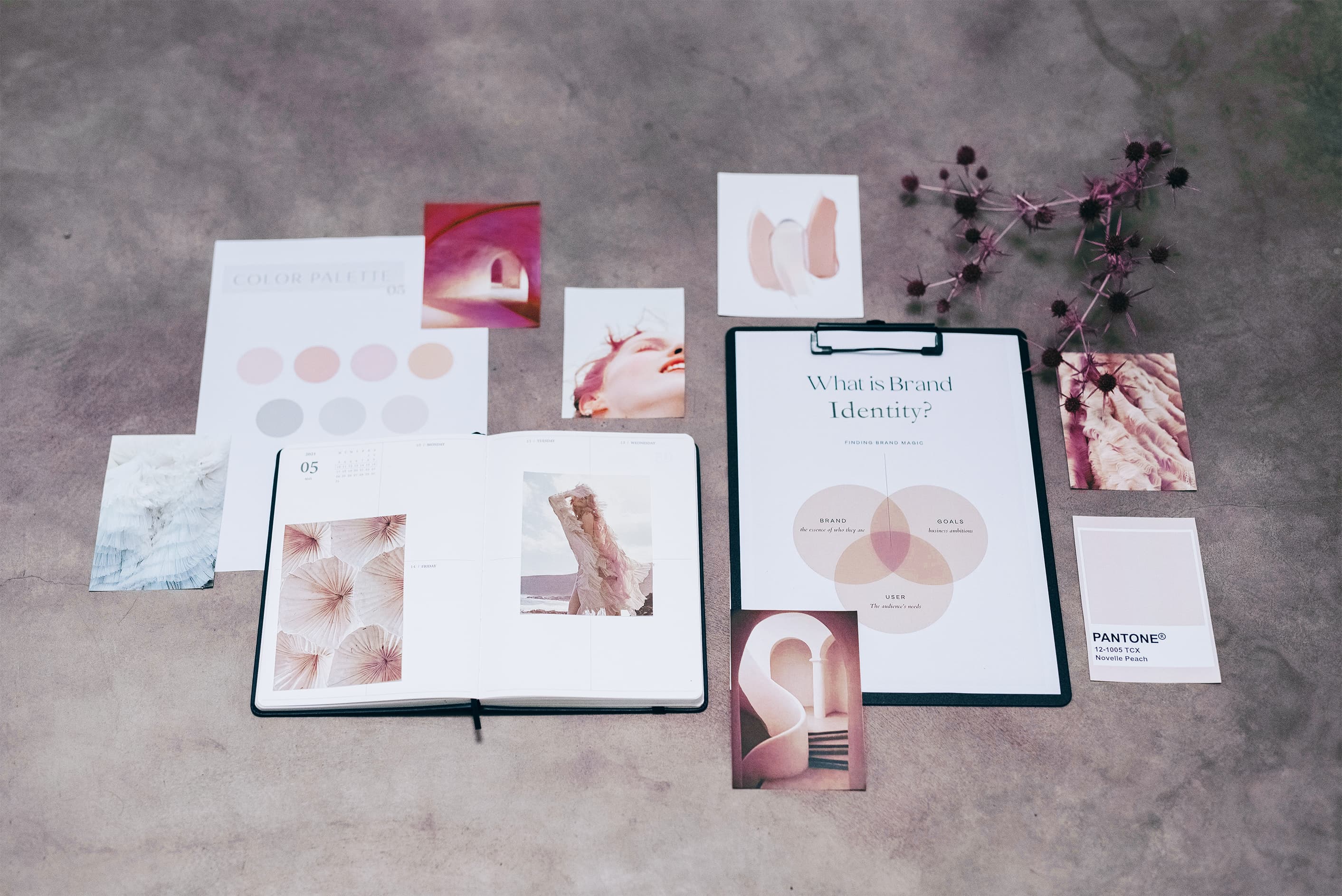
Your brand is how people see you every time they interact with your company. The marketing practice of giving a product a name, symbol, or design that distinguishes it from other items is called branding. Maintaining a strong brand is critical because research shows that roughly 75% of purchase decisions are based on emotion.
What is your brand’s purpose?
Every strong brand begins with a clear vision. Consistently delivering value is the only way to build a loyal customer base, so you must make it clear to customers what you deliver and why you exist. A vision statement codifies that reason and tells employees and customers alike who you are, what your mission is, and what your core values are.
Who is your ideal customer?
When it comes to branding, you need a clear handle on your target audience. Your answer to "who am I marketing to?" should not be "everyone." Study your competitors' customer base and build an audience persona — age, gender, education, occupation, lifestyle, and pain points.
Brand distinction
Spell out what sets your brand apart. It could be pricing, product range, or effectiveness — but whatever it is, express it clearly on every platform you advertise on.
Choose your brand elements
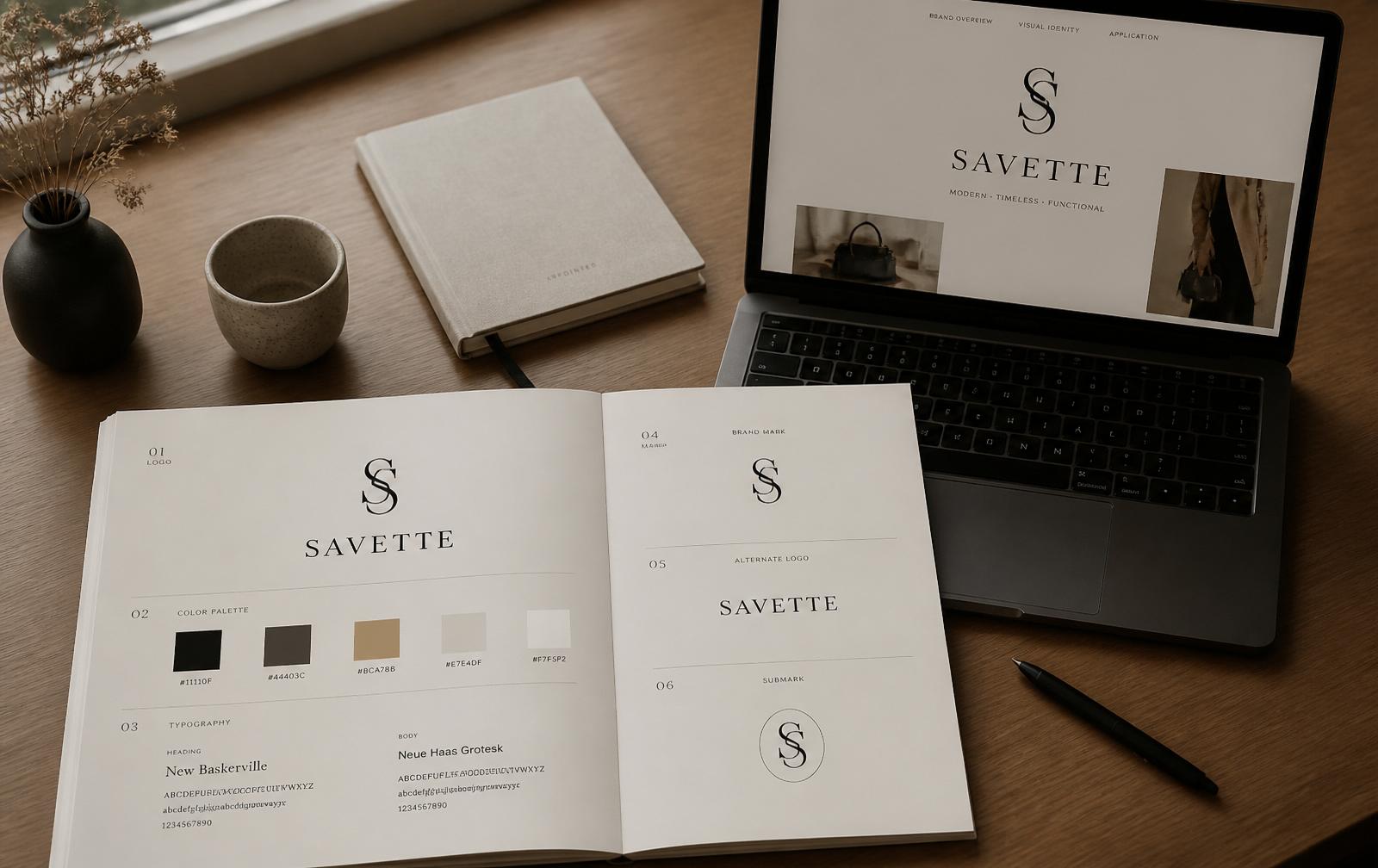
Common branding elements include a logo (primary, secondary and icons), color palettes, typography, imagery, and voice/tone. Every element should convey a message that clearly represents your company’s core beliefs. Consistency across every touchpoint is what makes a brand memorable.
Spread the word
Smaller businesses have plenty of low-cost options: Facebook, Instagram, X, LinkedIn, WhatsApp, plus affordable design tools, royalty-free image libraries and easy site builders. Push your brand out consistently — this is what compounds over time.
Keep growing
Approach brand-building with a learner’s mindset. Study your customers, watch your competitors, follow market changes, and stay current with social and technological habits.
Conclusion
Proper branding should be a top priority:
- Define your key goals to guide branding efforts.
- Choose a suitable target audience.
- Build a personality and identity connected to that audience and those goals.
- Get your marketing and social media in order so you can build a solid conversion funnel.
Branding shapes your success — in the short and long term — and the good news is, it doesn’t have to be difficult.
Frequently Asked Questions
What is the difference between a brand and a logo?
A logo is one visual expression of your brand. The brand itself is the total experience customers have with your business — purpose, personality, voice and visuals combined.
How much should a small business invest in brand identity?
Investment varies, but a professionally developed identity system usually pays back through stronger recognition, easier marketing and higher perceived value.
Ready to take the next step?
Our team is ready to help you put these ideas to work.
Start Your Brand Identity Project